What sort of EM do you see in the future? What sort of technology does that version of EM use? How do we actually get on a path that would allow us to be able to realize that version? A major component of this SIG is to advocate and demonstrate potential futures, technologies, and ways to bridge academics who are developing technology with emergency management practitioners who can deploy it. Our blog allows us to do just that by highlighting recent developments, opinions, and observations from academia and practice. Opinions expressed here are made by the blog author alone.

An important activity for this SIG is the pursuit of ways to teach how programming works. This includes ways for you to teach yourselves. At first, these will be rough, course notes from Dr. LaLone’s past courses. However, over time these will become closer to how EM needs programming to work, and how that need can generate ways of learning. Click above for a brief introduction to this content.
Since this is a SIG for the Emergency Management Higher Education Program, we meet regularly--typically on the first Thursday of each month. The minutes for these meetings will be located in our repository. In addition to those meeting notes, we will irregularly produce white papers and bits of philosophy about how to best advocate for more integrative progress in EM. This could include everything from how to broach the need for technology training to policy creation for social media use.
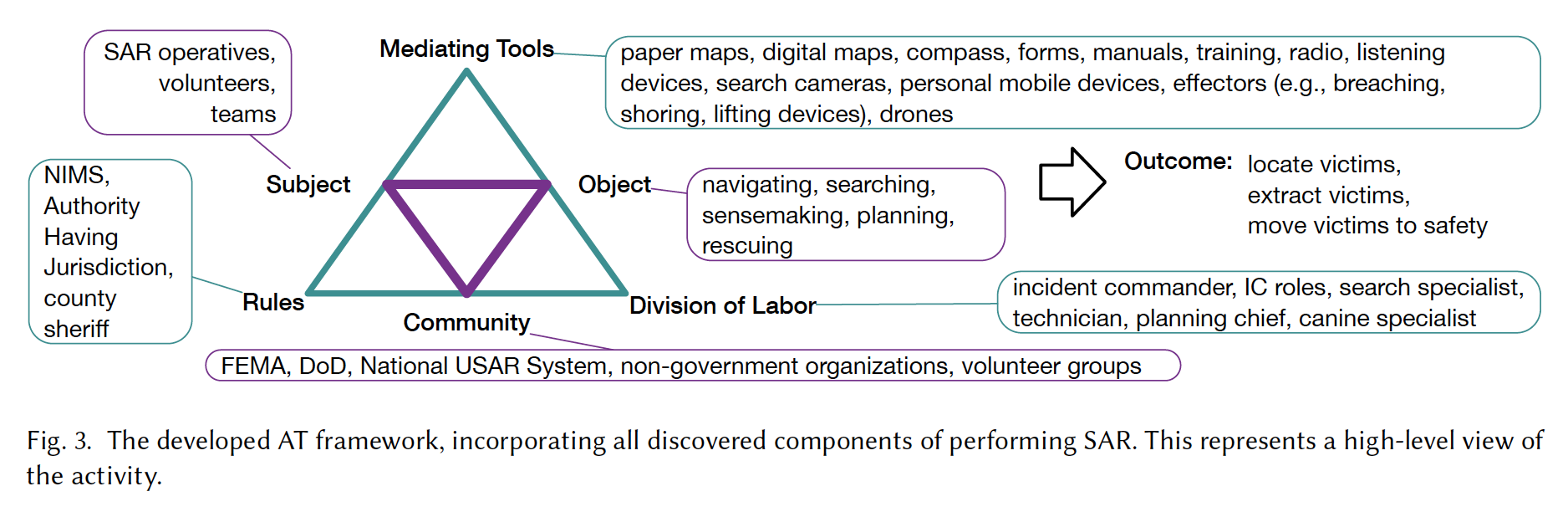
Paper Overview
One issue that is important to consider for science and technology integration is that the technologists can only guess at practice. Research is needed to understand it and where technology could be integrated. This piece is one such attempt. Read More ›